



Posts Tagged ‘park’
Maned Wolf

Maned Wolf (Chrysocyon brachyurus) Habitat: Maned Wolves are naturally found in central and eastern South America, including northern Argentina, south and central Brazil, eastern Bolivia, Paraguay, and south eastern Peru. A variety of open habitats are utilized, including savannah, grassland, scrubland, swamps, marshes, and agricultural land. Description: The fur blends from reddish brown to golden orange…
Read MoreIndian Blackbuck Antelope
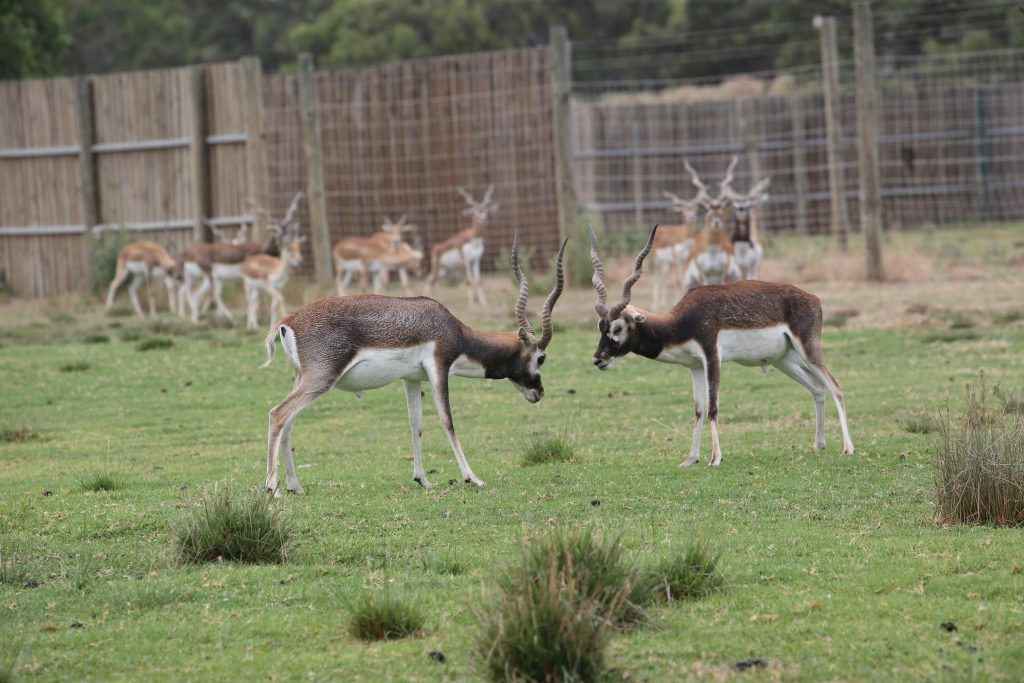
Indian Blackbuck Antelope (Antelope cervicapra) Habitat: Blackbuck can be found in a range of habitats including open plains, grassland and open woodland. Native to Asia, Blackbuck once roamed throughout most of India. Today this species occurs mainly in India, with a small population still existing in Nepal. It has been declared regionally extinct in Pakistan…
Read MoreHimalayan Tahr

Himalayan Tahr (Hemitragus jemlahicus) Habitat: Its native habitat is in the rugged wooded hills and mountain slopes of temperate to sub-alpine forests up to treeline between elevations of 2500 and 5200m. They are found in the Himalayas including China, North India and Nepal. Himalayan Tahr have been introduced to New Zealand and the Western Cape Province…
Read MoreEuropean Fallow Deer
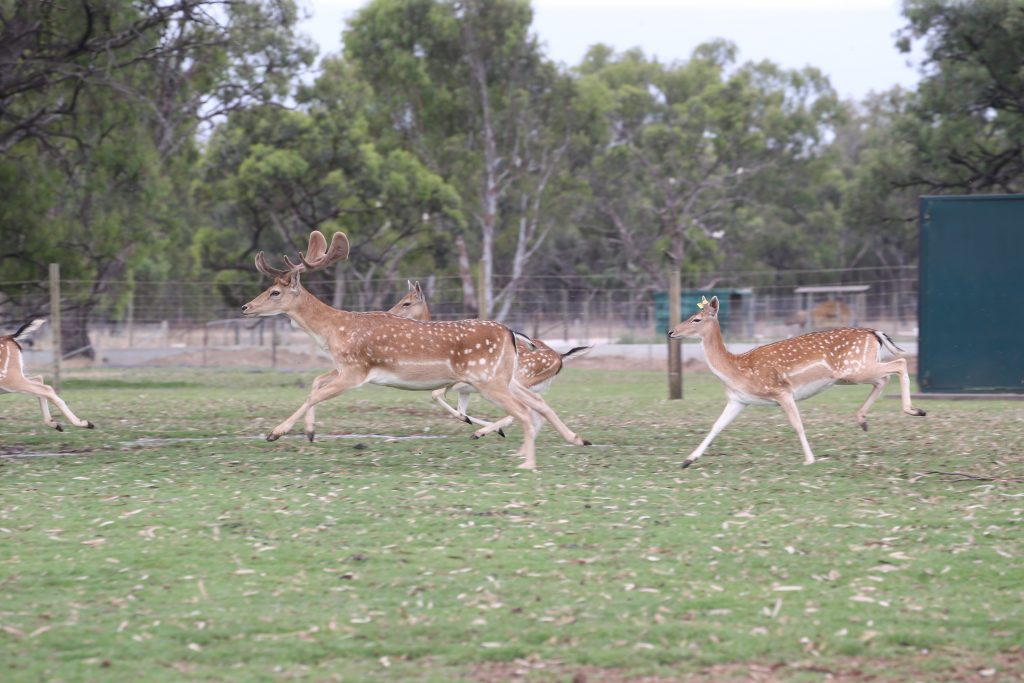
European Fallow Deer (Dama dama) Habitat: Fallow deer originally lived only in lands along the Mediterranean Sea. Today Fallow deer are found in Europe and Northern Asia ranging from cool-humid to warm-dry areas. They prefer old, deciduous, broad-leaf forests of varying densities interspersed with grassy areas, but they are also found in mixed forests, subalpine vegetation,…
Read MoreEland Antelope
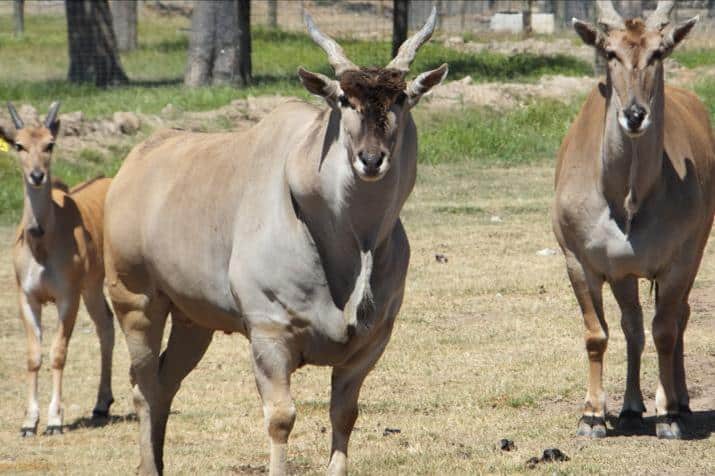
Eland Antelope (Taurotragus Oryx) Habitat: Found throughout Southern Africa: South Sudan, Ethiopia, Angola, Namibia, Botswana, Malawi, Tanzania, Swaziland, Zimbabwe and South Africa. 50% of Eland in Africa live in protected reserves. They are found in semi-arid areas but can also be found in grasslands, woodlands, sub desert, bush and mountaintops. Description: Fawn brown in colour with…
Read MoreDromedary Camel

Dromedary Camel (Camelus dromedarius) Habitat: The deserts in Northern Africa, Arabia and the Middle East, while a feral population is also to be found in the Simpson Desert of Australia. Description: The smooth coat is beige to light brown in colour with the undersides slightly lighter. Some individuals can vary from white to dark brown. The…
Read MoreCommon Wombat
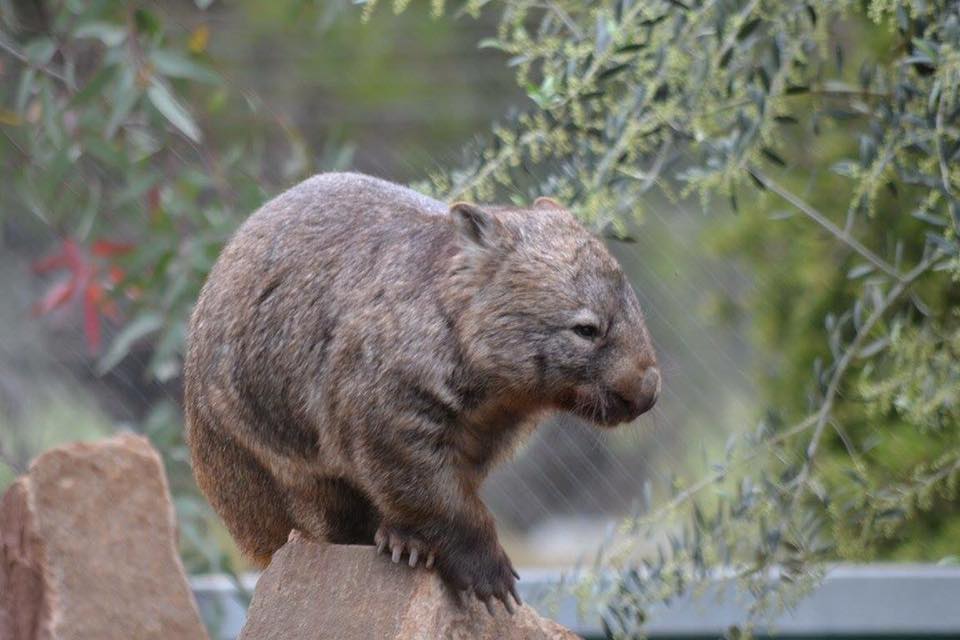
Common Wombat (Vombatus ursinus) Habitat: The Common Wombat lives in the coastal regions of Australia including: Eastern New South Wales, Eastern and Southern Victoria and the whole of Tasmania. They can be found in woodlands, shrub-lands, heath, coastal regions, hilly and mountainous regions. They seem to prefer wetter, forested, rocky, sloping ground regions that are cooler…
Read MoreCommon Marmoset

Common Marmoset (Callithrix jacchus) Habitat: Common Marmosets are native to East-Central Brazil. They can be found in a number of forest habitats including Atlantic coastal, semi-deciduous, Savanna, Riverine, Dry Secondary Forests and Edge habitats. Description: Common Marmosets are relatively small monkeys with long banded tails. Males grow to an average height of 188mm with females growing…
Read MoreSouth American Coati
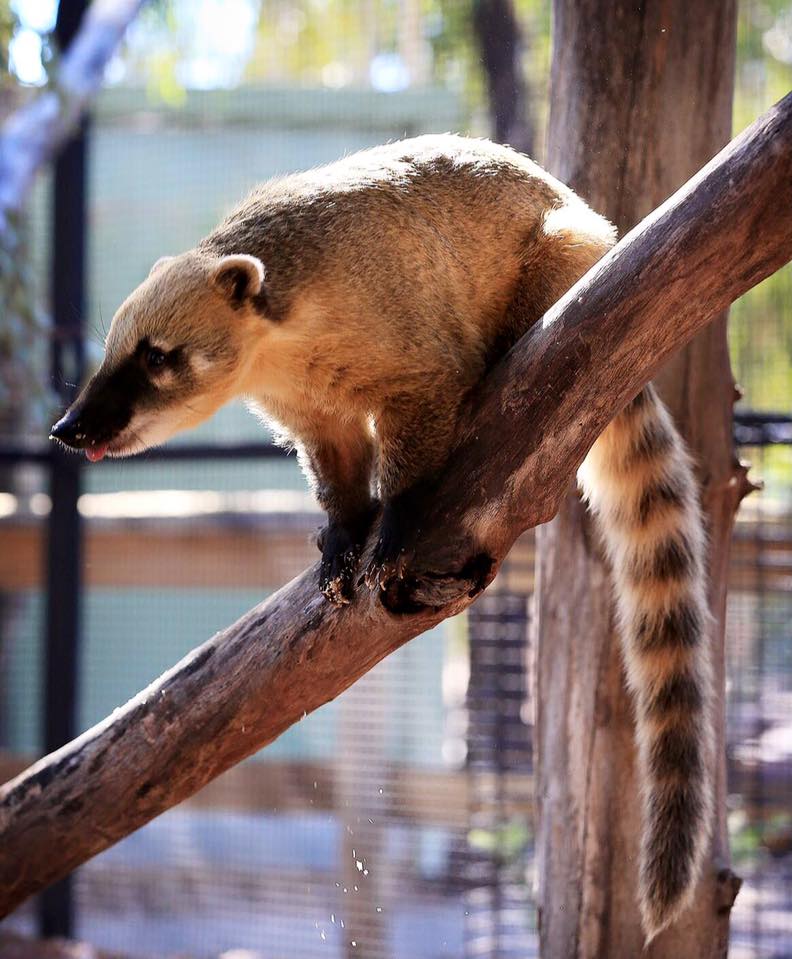
South American Coati (Nasua nasua) Habitat: The South American Coati lives primarily in forest habitats, including deciduous forest, evergreen forest, gallery forest, cerrado and dry scrub forest from Columbia & Venezuela to Uraguay & Northern Argentina. They occupy a large range of elevations, reaching up to 2,500 metres in the Andes. Description: Coati are dark brown,…
Read MoreCapybara
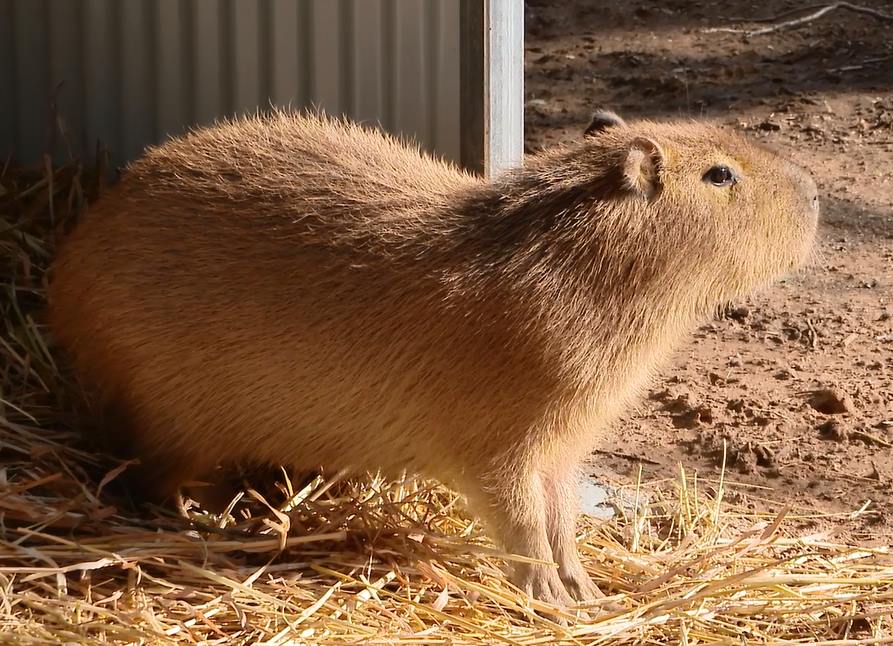
Capybara (Hydrochoerus hydrochaeris) Habitat: Capybaras are located in South America and also Panama, the most southern country of Central America. Capybaras are mostly found in dense forests near water sources such as streams, ponds, rivers, swamps and lakes. Description: The Capybara has a heavy, barrel-shaped body and short head, with reddish-brown fur on the upper part of…
Read More